

treadmills0510
About treadmills0510
How To Explain Treadmill To Your Mom
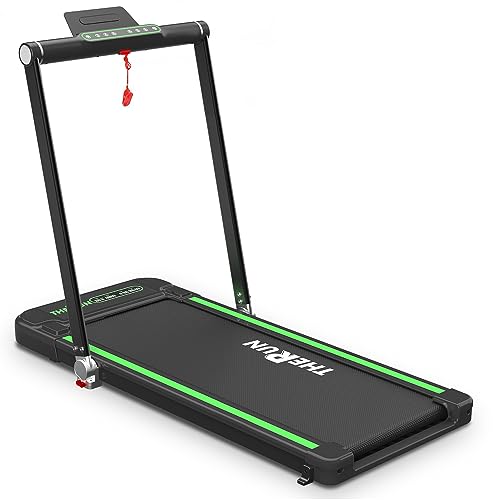
The Modern Home Treadmill: A Comprehensive Guide
In an era where convenience and flexibility dominate our lifestyles, the at-home treadmill emerges as a popular option for keeping physical fitness without compromising time or convenience. With various options offered, comprehending the benefits, types, and functions of at-home treadmills can empower people to make informed decisions about their physical fitness financial investments.
The Rise of Home Workouts
The increasing popularity of home exercises can be credited to various elements:
- Fitness Accessibility: The pandemic shifted numerous people from gyms to home exercises, exposing the usefulness of having physical fitness equipment in the house.
- Time-Saving: Eliminating commute times to the gym allows for more efficient exercise regimens.
- Comfort and Privacy: Exercising at home provides a comfy and private environment, complimentary from the distractions of a public gym setting.
Benefits of Owning a Treadmill
1. Convenience
With an at-home treadmill, individuals can work out anytime without fretting about gym hours or weather conditions. This 24/7 ease of access makes it easier to stay with exercise regimens.
2. Personalization
At-home treadmills allow users to customize their workouts according to individual preferences, fitness levels, and objectives. Whether it’s a brisk walk or an extreme run, users can set their rate and strength.
3. Cost-efficient
While the preliminary investment might be considerable, an at-home treadmill can conserve money in the long run. Subscription fees, travel expenditures, and extra classes can accumulate rapidly.
4. Health Tracking
Lots of modern-day treadmills come equipped with technology that tracks workouts, including distance, calories burned, heart rate, and speed. These features assist in much better tracking of physical fitness goals and development.
5. Versatile Workouts
Today’s treadmills often feature numerous workout programs, slope settings, and speeds, permitting different exercise routines that keep users engaged.
6. Family-Friendly
With several users in a family, a treadmill can accommodate differing fitness levels and choices, making it a versatile tool for household fitness.
Types of Home Treadmills
When choosing a treadmill, it’s necessary to comprehend the various types offered to guarantee the best fit for personal fitness needs. Below is a contrast of the main types of home treadmills:
| Type | Key Features | Pros | Cons |
|---|---|---|---|
| Manual Treadmill | Powered by user effort; no motor | Peaceful, budget friendly, less space required | Minimal functions, usually lower toughness |
| Electric Treadmill | Motorized, adjustable speed and slope | More features, versatile exercises | Higher cost, requires power source |
| Folding Treadmill | Compact design, can be stored easily | Space-saving, portable | May not be as strong, restricted features |
| Smart Treadmill | Linked to apps, offering interactive workouts | Improved engagement, tracking choices | More expensive, needs Wi-Fi |
Key Features to Consider
When searching for a treadmill, there are a number of important features to keep in mind:
-
Motor Power: Look for a motor with at least 2.0 CHP for walking and 3.0 CHP for running. Greater power permits constant efficiency.
-
Running Surface: Consider the size of the running surface. A longer and wider belt (at least 55 inches long and 20 inches large) offers a comfortable running experience.
-
Incline Options: An adjustable slope can enhance exercise intensity and simulate outdoor running conditions.
-
Built-in Programs: Many treadmills offer pre-set exercise programs that cater to different fitness levels and objectives, which can add range to your regimen.
-
Cost: Treadmills can vary from a couple of hundred to numerous thousand dollars. Develop a budget plan and look for units that offer the very best value for the features included.
-
Service warranty: A solid service warranty on parts, labor, and the motor is important for safeguarding your financial investment over the long term.
Maintenance Tips for Your Treadmill
Owning a treadmill needs some maintenance to ensure its durability. Here are some essential tips:
- Regular Cleaning: Dust and sweat can collect on the treadmill uk sale (look at here). Clean it down after usage and keep the belt and undercarriage clean.
- Lubrication: Depending on the model, lubing the belt every couple of months can help minimize friction and wear.
- Check for Wear and Tear: Regularly examine the belt for signs of wear and guarantee all bolts and screws are tight.
- Source of power: Ensure a stable source of power, and prevent overloading power strips.
Regularly Asked Questions (FAQs)
1. How much space do I require for a treadmill?Generally, a treadmill needs at least 6 feet of length and 3 feet of width. Consider additional space for safety and ease of movement. 2. Can I slim down with an at-home treadmill?Yes, regular use of a treadmill can contribute considerably to weight-loss when integrated with a well balanced diet plan and total exercise. 3. Are folding treadmills as resilient as non-folding models?While folding treadmills are developed for convenience, they might not be as sturdy as non-folding designs. However, lots of folds are designed with robust materials and can
endure regular usage. 4. What’s the very best slope for walking on a treadmill?An incline of 1-2 %mimics outside walking conditions and provides a more reliable exercise. 5. Are clever treadmills worth the extra cost?If you enjoy interactive exercises and tracking progress with apps, wise treadmills can be an important addition. Nevertheless, conventional treadmills can still provide excellent exercises without the included features.
The at-home treadmill is a powerful ally in
accomplishing fitness objectives, using convenience, customization, and a variety of workout opportunities. With numerous types and features customized to various users’requirements, it’s important to select carefully. Regular maintenance and a dedication to a constant exercise routine can assist optimize the benefits of this valuable physical fitness tool. Whether you’re an experienced runner or simply beginning out, a treadmill can perfectly suit your at-home physical fitness program, propelling you toward a healthier lifestyle.
No listing found.