

fireplaces0913
About fireplaces0913
Cozy Fireplaces Techniques To Simplify Your Daily Lifethe One Cozy Fireplaces Trick That Every Person Must Know
Cozy Fireplaces: The Heart of a Warm Home
As the days grow shorter and the temperatures dip, lots of property owners find themselves yearning for the heat and convenience that a fireplace brings. Fireplaces have not only served as a source of heat however have also end up being a central function in living spaces, evoking feelings of fond memories, comfort, and connection. This blog post checks out the different kinds of fireplaces, their advantages, and some essential pointers on keeping them, making your home a relaxing retreat as the seasons alter.
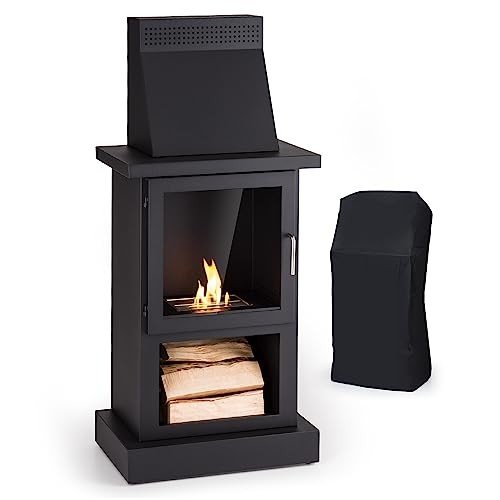
Types of Fireplaces
When it pertains to fireplaces, there are a number of types to consider, each with its own unique functions and benefits. Below is a detailed table comparing the significant kinds of fireplaces:
| Type of Fireplace | Description | Fuel Source | Pros | Cons |
|---|---|---|---|---|
| Wood-Burning | Standard fireplaces that burn logs or wood. | Fire wood | Authentic atmosphere, high heat | Requires regular upkeep, air contamination |
| Gas | Fireplaces that utilize natural or lp gas. | Natural gas/propane | Clean burning, easy to use | Needs a gas line, less ambiance than wood |
| Electric | Utilizes electrical power to produce a flame effect. | Electricity | Easy setup, no venting | Restricted heat output, depends upon electricity |
| Ethanol | Burns bioethanol, producing a real flame. | Ethanol | No venting, environmentally friendly | More costly fuel, lower heat output |
| Pellet | Burns compressed wood pellets for heat. | Wood pellets | Effective and environment-friendly | Needs electrical energy for the feeder, area for storage |
The Benefits of a Fireplace
A fireplace can act as so much more than just a source of heat. Here are some of the important benefits of having a fireplace in your home:
-
Heat Source: Fireplaces supply a reputable source of heat, particularly throughout cold cold weather. Wood-burning and pellet fireplaces are especially efficient in heating spaces.
-
Visual Appeal: Fireplaces serve as focal points in a room, including character and appeal. Numerous house owners choose custom designs to match their home design.
-
Energy Efficiency: Modern gas and pellet fireplaces are developed to be energy-efficient, offering heat without excessive energy intake.
-
Emergency situation Backup: In case of power interruptions, wood-burning and gas cozy fireplaces (hosearibot.top) can supply important heat and cooking abilities.
-
Social Hub: Fireplaces create a gathering area for family and friends, encouraging connection and heat in social settings.
Tips for Maintaining Your Fireplace
Owning a fireplace features vital upkeep duties to guarantee security and performance. Here are some essential upkeep tips:
Wood-Burning Fireplaces
- Chimney Cleaning: Schedule annual cleansings to prevent chimney fires and guarantee effective venting.
- Firewood Storage: Store firewood in a dry, ventilated area far from your home to prevent bugs and rot.
- Examine the Flue: Check that the flue is functioning correctly to make sure correct smoke ventilation.
Gas Fireplaces
- Regular Inspections: Have an expert check the gas lines and connections annually for leakages.
- Clean the Glass: Keep the glass doors clean for ideal performance and visual appeal.
- Inspect the Vents: Ensure that the air consumption and exhaust vents are complimentary of blockages.
Electric Fireplaces
- Check the Cord: Regularly inspect the electrical cord for any indications of wear or damage.
- Dust the Unit: Dust can collect, so clean the fireplace regularly to maintain its look.
- Check the Settings: Familiarize yourself with settings and guarantee that the system operates efficiently.
Ethanol and Pellet Fireplaces
- Fuel Storage: Store ethanol fuel safely far from heat sources and direct sunshine.
- Ventilation: Ensure sufficient ventilation when using ethanol fireplaces to reduce carbon monoxide buildup.
- Tidy the Burners: Regularly tidy the burners to preserve effectiveness and extend the life expectancy of the fireplace.
Often Asked Questions
1. Are wood-burning fireplaces safe?
Yes, wood-burning fireplaces are safe when correctly preserved. Regular chimney assessments and making use of seasoned firewood can assist decrease risks.
2. How can I improve the performance of my gas fireplace?
You can enhance efficiency by cleaning the burner and logs, ensuring appropriate venting, and utilizing a fireplace blower to circulate heat.
3. Can I set up a fireplace in any home?
While numerous homes can accommodate a fireplace, aspects such as space, structural integrity, and regional regulations contribute. It’s finest to seek advice from an expert.
4. How often should I clean my electric fireplace?
Electric fireplaces require minimal upkeep, however it’s great practice to dust and examine the unit monthly, particularly throughout heavy usage seasons.
5. What is the very best fuel for a sustainable fireplace?
Pellets and bioethanol are thought about sustainable options, as they are originated from sustainable resources and produce lower emissions than conventional fuels.
Last Thoughts
A relaxing fireplace can change a house into a warm, inviting home, especially during the cooler months. Whether you choose for a traditional wood-burning alternative or a contemporary gas or electric design, comprehending the different types of fireplaces and their maintenance requires is important for optimizing convenience and security. Embrace the appeal of a fireplace and develop a space where family and buddies can gather, share stories, and delight in the warmth of the fire.
By investing the time and energy into selecting and preserving the ideal fireplace, you guarantee that your home stays a sanctuary of heat and convenience for several years to come.
No listing found.