

fireplace4496
About fireplace4496
How Fireplaces Has Become The Most Sought-After Trend Of 2024
Embracing the Warmth: A Comprehensive Guide to Fireplaces
Fireplaces have captivated human interest for centuries, serving not only as sources of heat however also as centerpieces in homes that stimulate a sense of comfort and fond memories. Throughout history, these architectural marvels have actually changed from fundamental hearths used for cooking to contemporary styles that use visual appeal and advanced performance. This article explores various kinds of fireplaces, their advantages and disadvantages, maintenance suggestions, and answers to often asked concerns.
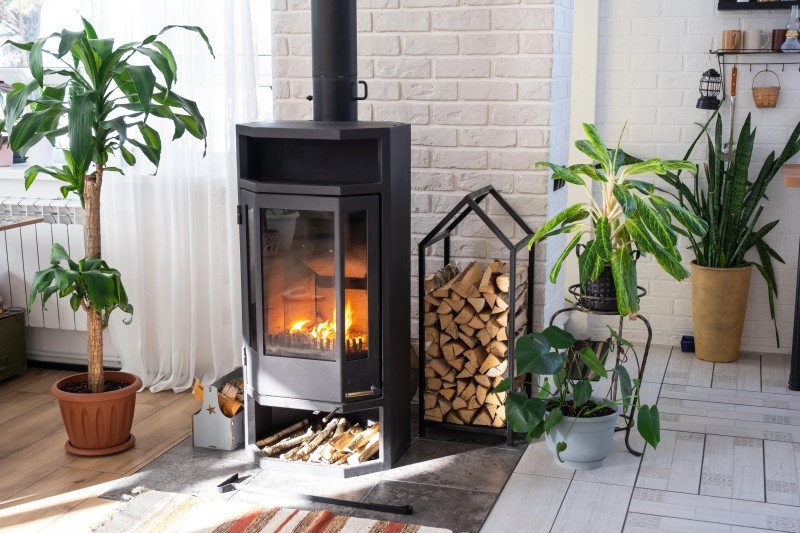
Types of Fireplaces
Fireplaces can be broadly classified into a number of types based on their fuel source and building and construction style. Below is an in-depth table describing these variations:
| Fireplace Type | Fuel Source | Description | Pros | Cons |
|---|---|---|---|---|
| Wood-Burning | Wood | Conventional fireplaces that burn logs or other kinds of wood. | Genuine ambiance, cost-efficient fuel | Needs more maintenance, smoke emission |
| Gas | Gas/ Propane | Fireplaces fueled by gas, frequently featuring a pilot burner. | Convenient, cleaner burning, adjustable flame | Needs gas line installation |
| Electric | Electricity | Fireplaces that utilize electric coils or logs to mimic fire. | Easy to utilize, no venting required | Does not have authentic atmosphere |
| Pellet | Compressed wood pellets | Burn compressed wood pellets, generally needing an automatic feed system. | Effective heating, eco-friendly alternative | Initial cost can be high |
| Ethanol | Bioethanol | Usage bioethanol fuel in a series of designs, frequently portable and without the requirement for venting. | Environment-friendly, flexible positioning | Minimal heat output |
Choosing the Right Fireplace
When picking a fireplace, numerous elements should be thought about, consisting of space, fuel source accessibility, maintenance requirements, and individual choice. Below is a list of crucial factors to consider:
-
Size of the Room: Determine the size of the space where the fireplace will be set up. Larger rooms might require more powerful heating alternatives.
-
Fuel Availability: Consider the accessibility and expense of fuel sources in your area. Gas lines may not be available in particular homes, which might restrict alternatives.
-
Upkeep: Different fireplaces have varying upkeep needs; for instance, wood-burning fireplaces require regular cleaning of flues and chimneys.
-
Ventilation: Ensure that the picked fireplace type is appropriate for your home’s ventilation system.
-
Regional Regulations: Check regional structure codes and regulations, as some locations might have constraints on particular types of installations.
Benefits of Fireplaces
Fireplaces offer numerous advantages beyond simply warming a space. Here are some notable advantages:
-
Aesthetic Appeal: A fireplace can act as a stunning focal point in any home. Whether traditional or modern, there is a style to fit every style.
-
Increased Home Value: Adding a fireplace can improve a home’s resale worth, making it a preferable function for possible purchasers.
-
Energy Efficiency: Certain kinds of fireplaces, particularly gas and electric models, offer effective heating choices that can conserve cash on energy costs.
-
Relaxing Atmosphere: The sight and sound of a crackling fire can produce an inviting environment, best for household events or peaceful nights.
Maintenance Tips
Proper upkeep of a fireplace makes sure security and efficiency. The following are vital upkeep pointers for different kinds of fireplaces:
Wood-Burning Fireplaces
- Chimney Inspection: Have the chimney examined and cleaned annually to prevent chimney fires.
- Fire wood Storage: Store fire wood away from the home and keep it dry to make sure optimum burning conditions.
Gas Fireplaces
- Look for Leaks: Regularly check gas lines for leakages and make sure that the pilot light is functioning properly.
- Vent Cleanliness: Ensure that the venting system is tidy and unblocked.
Electric Fireplaces
- Electrical Inspection: Have electrical components inspected by a professional to make sure safety and compliance.
- Cleaning: Dust and clean surfaces to preserve the aesthetic appeal.
Pellet Fireplaces
- Fuel Quality: Use high-quality pellets to ensure effective operation and very little ash buildup.
- Ash Removal: Regularly tidy out the ash pan and inspect the burn pot for effectiveness.
Ethanol Fireplaces
- Usage Proper Fuel: Only use bioethanol fuel created for fireplaces; avoid homemade mixes.
- Storage: Store fuel in a cool, dry place, far from direct sunlight and heat sources.
Frequently asked questions About Fireplaces
1. Can I install a fireplace myself?
While some electrical or portable units may permit DIY setup, a lot of fireplaces need an expert setup to make sure security and compliance with regional codes.
2. How can I make my fireplace more energy-efficient?
Consider installing glass doors, adding a heat exchanger, or utilizing a fireplace insert created for improved efficiency.
3. Are electrical fireplaces safe?
Yes, electric fireplaces are usually safe as they do not produce flames or emissions, making them less hazardous than wood or gas alternatives.

4. Do I need a permit to install a fireplace?
This differs by area. It’s vital to inspect regional policies and obtain the required authorizations prior to setup.
5. Can I utilize my fireplace for cooking?
Wood-burning fireplaces can be used for cooking, however make sure that it’s designed for that purpose and follow security guidelines.
Fireplaces embody more than just functionality; they are gateways to warmth, imagination, and treasured memories. By thinking about the types, benefits, maintenance, and guidelines surrounding them, house owners can accept this timeless feature that improves any living area. Whether it’s the flicker of flames in a wood-burning fireplace or the convenience of an electrical design, the ideal fireplace will function as a cherished focal point for years to come.
No listing found.